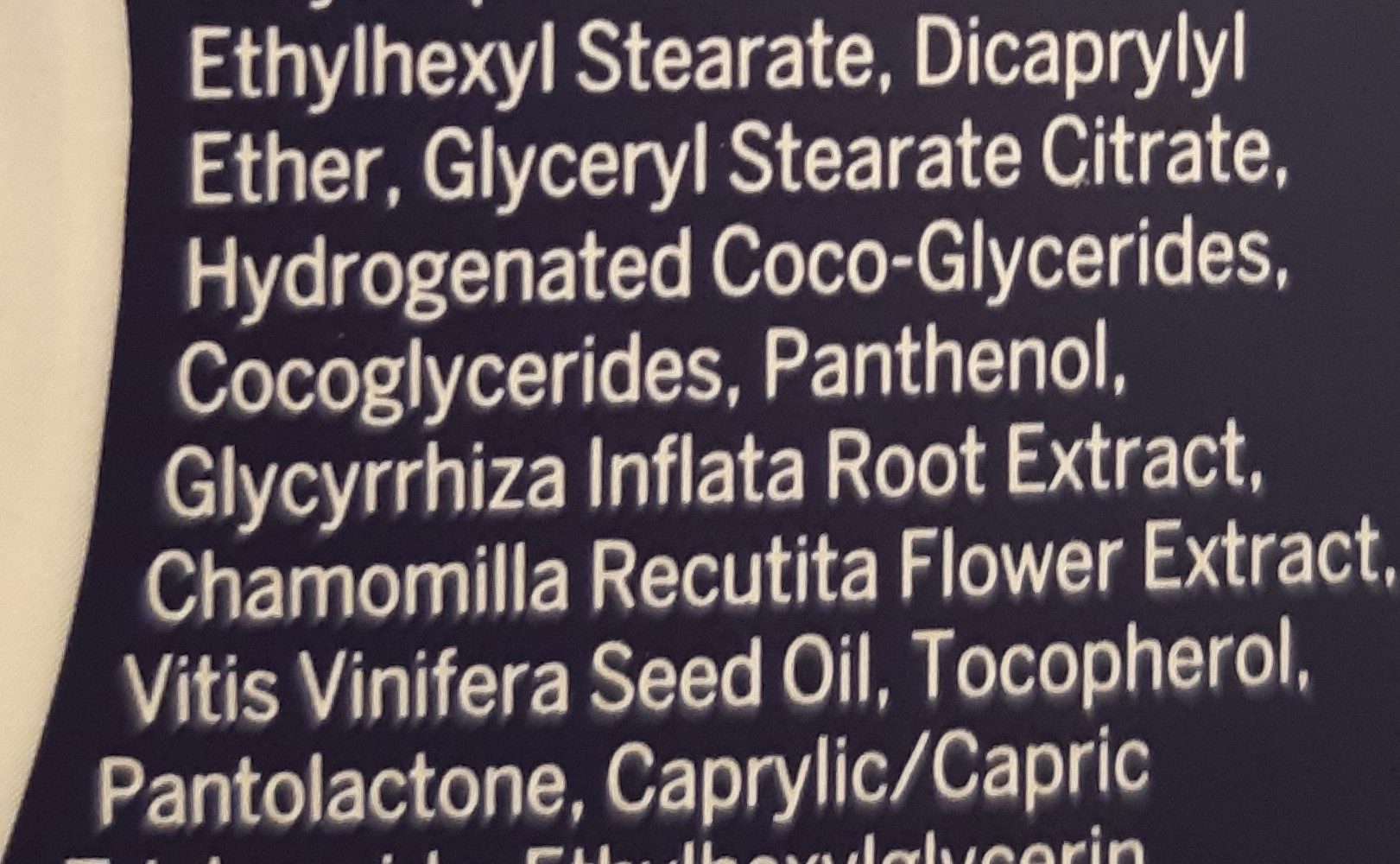
International Nomenclature of Cosmetic Ingredients — INCI — names are the standardised ingredient names required by law on cosmetic labelling in most major markets, including the US and EU. Unlike marketing copy, an INCI list is enforceable: get it wrong and a brand has a real regulatory problem, not just a bad review. That makes it the most reliable single piece of information on any product page, once you know how to read it.
Order is concentration, mostly
Ingredients above roughly 1% concentration must be listed in descending order by concentration. Below 1%, brands have discretion over ordering, which is why you will often see a cluster of preservatives, chelators, and fragrance components at the end that are not necessarily in strict concentration order relative to each other. Water (“Aqua”) is listed first on the overwhelming majority of water-based formulas for the simple reason that it usually is the largest single ingredient by weight.
The active is not always where you’d expect
A “15% Vitamin C serum” with ascorbic acid third on the list, after water and a humectant, is consistent with a real 15% formula — 15% is a genuinely high concentration for a single active. If the same product listed ascorbic acid as the eighth ingredient, that would be worth questioning against the claimed percentage. This is the single fastest sanity check available to a shopper who wants to verify a percentage claim without a lab: does the position on the list match the claimed weight.
What INCI names don’t tell you
INCI names describe what an ingredient is, not what percentage it’s at (outside the ordering rule above), how it was sourced, or how well the specific formulation performs. Two products can both legitimately list “Retinol” and differ enormously in real-world stability and delivery. A full ingredient list is necessary information, not sufficient information — which is exactly why we publish both: the full INCI deck on every formula page, and the plain-language ingredient index that explains what each headline active is formulated to do and where.